Client name: Esquire Bank
Central idea: Challenge misconceptions about trial lawyers & elevate their impact on civil justice
I had my hand in:
Writing literary journalism stories
Executive interviews
Campaign copy & execution
Website copy
LinkedIn paid & organic posts
Email marketing
Travel video shoots
If you’ll indulge me, a small preamble:
Like many who’ve graced their late twenties and early thirties, I’ve taken a shine to birding. They are beautiful, insightful little creatures. They are, quite literally, made to fly. Yet, when they hatch into this big, scary world, they have no idea what they’ll be capable of. What they do know, however, is that they’re very hungry.
My knack for literary journalism was much the same way. For a long time, I stumbled around the subject of writing. Poetry, free verse, sonnets, think pieces, Facebook tirades, and Instagram captions. I remember, during my freshman year at undergrad, getting a B in my first poetry class and tearfully walking to the registrar to change my major from English Writing to English Literature. Still, not even those faculties of higher education could take me out of writing. It was, and is, part of who I am.
The truth was, my fear of falling was greater than my desire to fly. Even worse, I could not fathom how success and failure were two sides of the same coin. I was 19 years old, for crying out loud. I was a grown up. An adult. I knew everything there was to know. I knew what I wanted and the steps I needed to take to achieve it!
Narrator: No. No, she did not.
But life has a funny way of forcing you out of the nest. Even before you feel ready (do we ever truly feel ready?).
Later, I’d realize what I considered “failure” was me choosing the scenic route to where I am now. (Yes, this is all really about me getting a B in an entry-level poetry class for a poem that probably did deserve a B.) Because that scenic route is what introduced me to literary journalism, a foundational piece to the greater Mollie puzzle.
Dusting off the ol’ masters degree
So how does this apply to B2B copywriting? It never occurred to me that it would apply.
By the time I was halfway through my MFA program, I’d learned that modern literary journalism was for academic journals, haughty zines, and local publications. Never to sell white-glove financial partnership to civil justice lawyers. In class, I was an acolyte worshipping her patron saints Joan Didion and Annie Dillard. Suffice it to say, the connection between their wisdom, their art, and my eventual day job was not so obvious.
Fast-forward to early 2023, when I joined Park & Battery. I was immediately onboarded to Esquire Bank’s “Champions of Social Justice” campaign, and when I learned the scope of work, the relief was liberating. It was also the validation I had been desperately seeking. Both then and now, society criticized liberal arts degrees for being useless; a hindrance to the mecca of American capitalism: Getting A Job™.
So yeah, I was pretty smug about proving otherwise. Because up until that point, most of my copywriting career consisted of building the plane while I was flying it. Learning on the fly. Baptism by fire. Drinking from a fire hose. Et cetera. Entering a project with the exact qualifications needed to succeed was a brand-spanking-new experience. And it made me feel invincible. Like maybe I was ready to leave the nest.
About the campaign
In a nutshell, Esquire Bank is a bank built by trial lawyers for contingency fee law firms. Largely referral based, they wanted to better establish their brand purpose and connect with trial firms across the country using a simple message: We understand the intricacies of your profession and its importance in society. Let us help you fund your fights for civil justice.
That, and to change audiences’ perceptions of trial lawyers, who are often portrayed as ambulance chasers, á la Rudy Baker (Matt Damon) in “The Rainmaker,” or Lionel Hutz from “The Simpsons.”
The reality is much less sinister. Because, when an ordinary person is mentally and/or physically injured, oftentimes killed, due to the negligence or misconduct of a massive institution, corporation, or person of influence, victims and their families simply don’t have the money or resources to file a court case, let alone win a court case. That steep incline to justice is precisely what the contingency fee model was built for. Injured individuals and their families can seek a trial lawyer’s help without ever paying a dime, unless they win their case.
This was the crux of the campaign. It was the belief that, in our country, justice should be equitable, and trial lawyers are the civil servants who make it possible. They ensure that one’s ability to achieve justice doesn’t depend on their socioeconomic status, the color of their skin, their religion, their ethnicity, or otherwise.
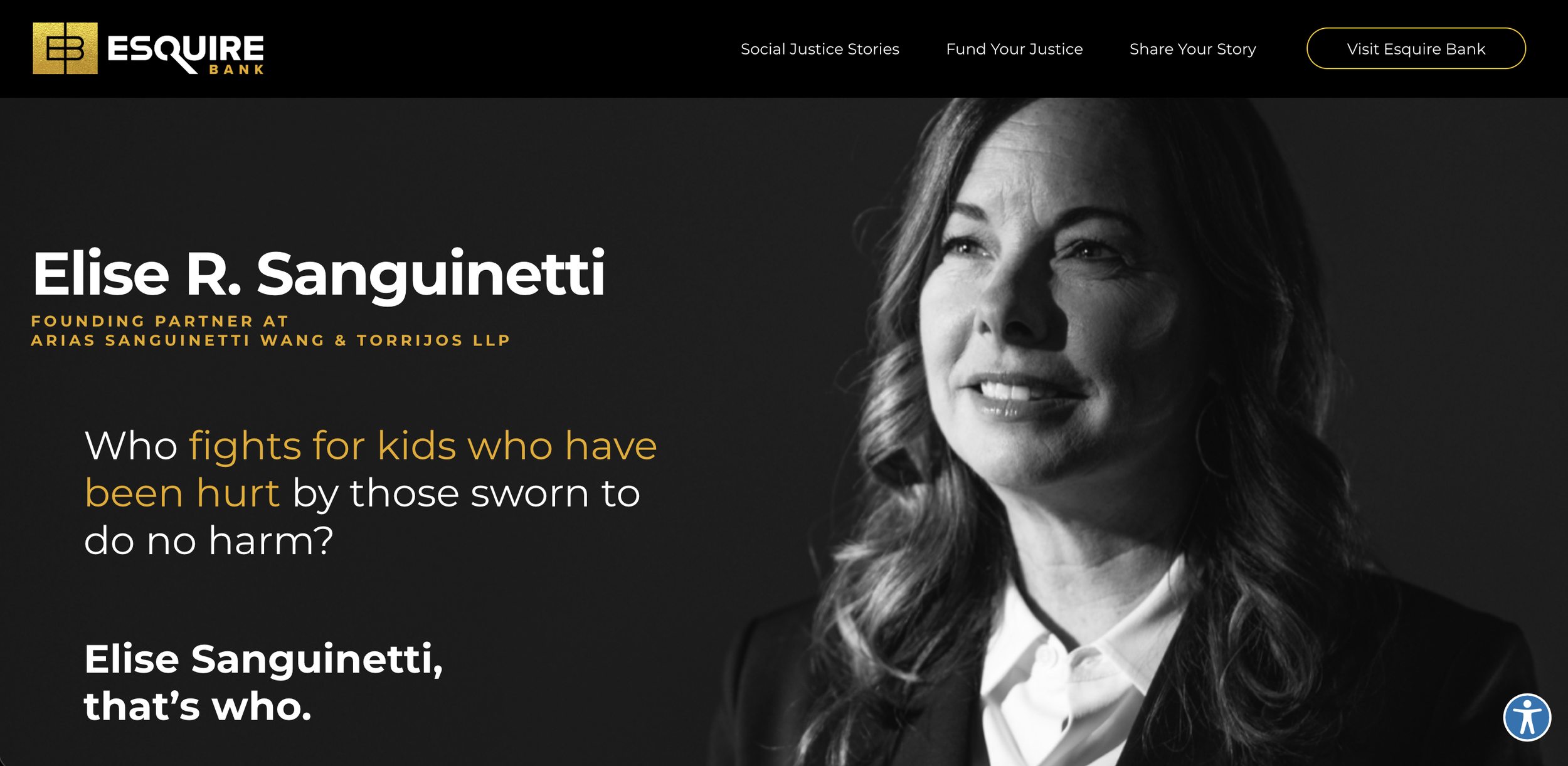
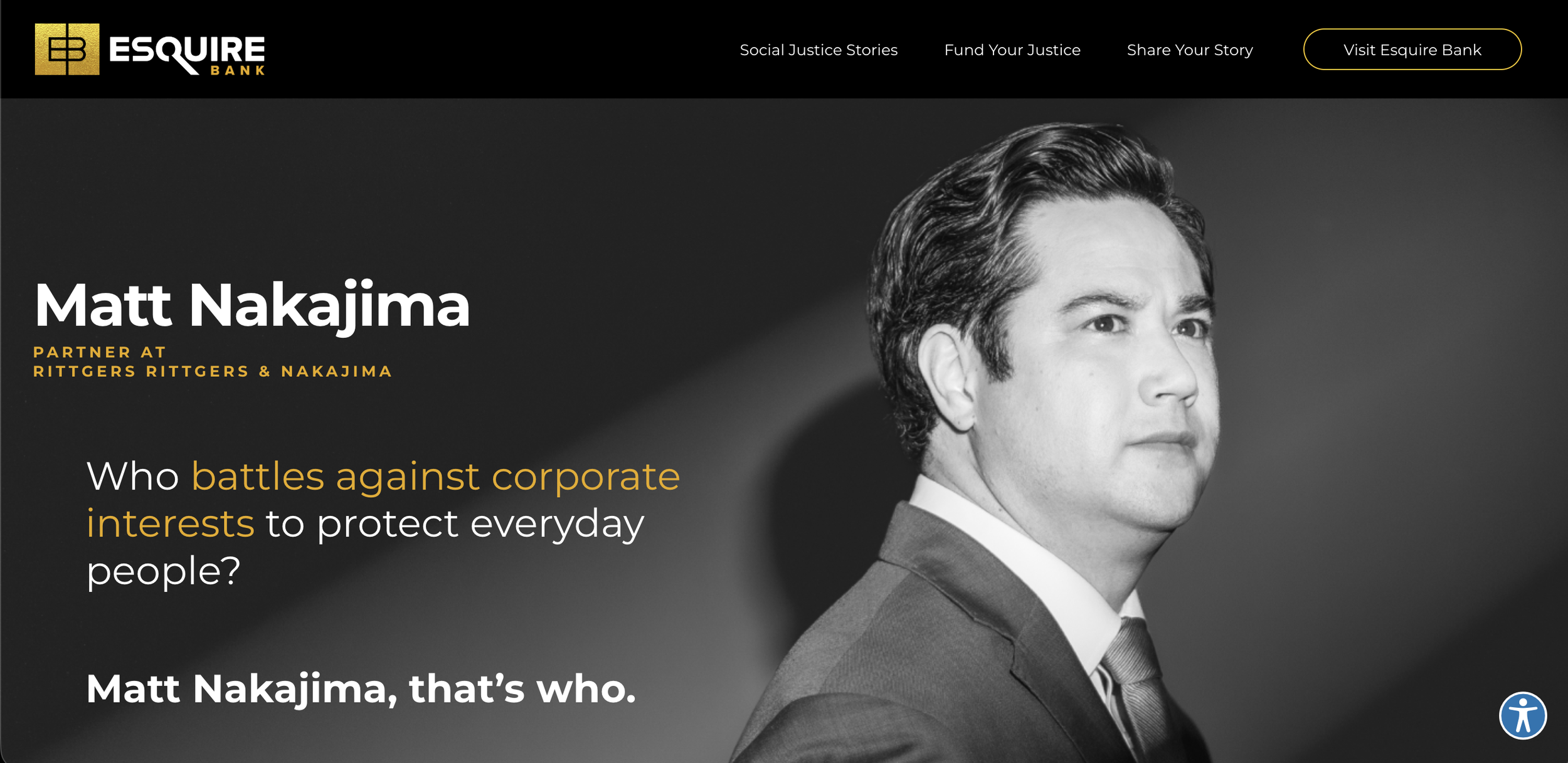
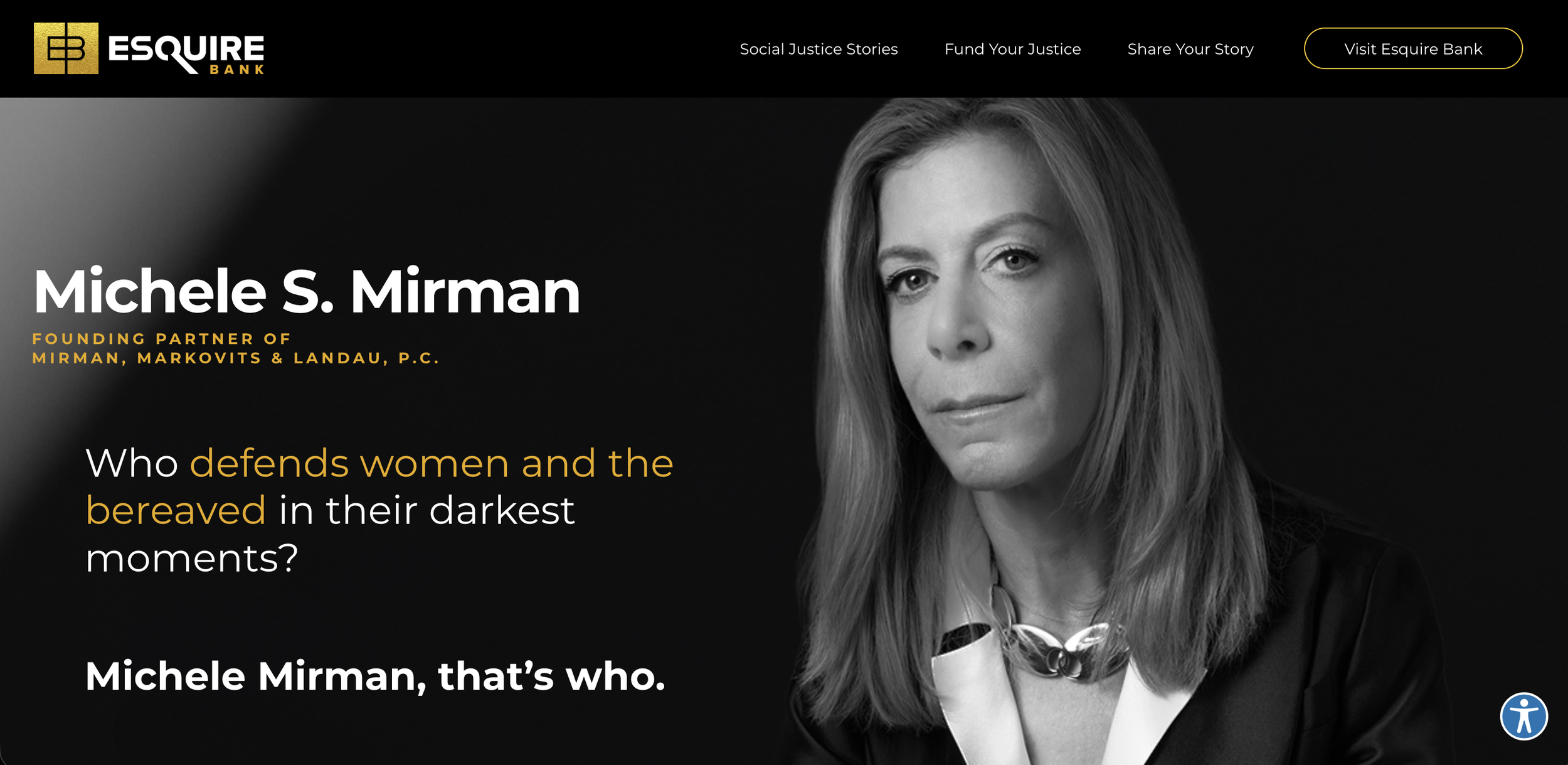
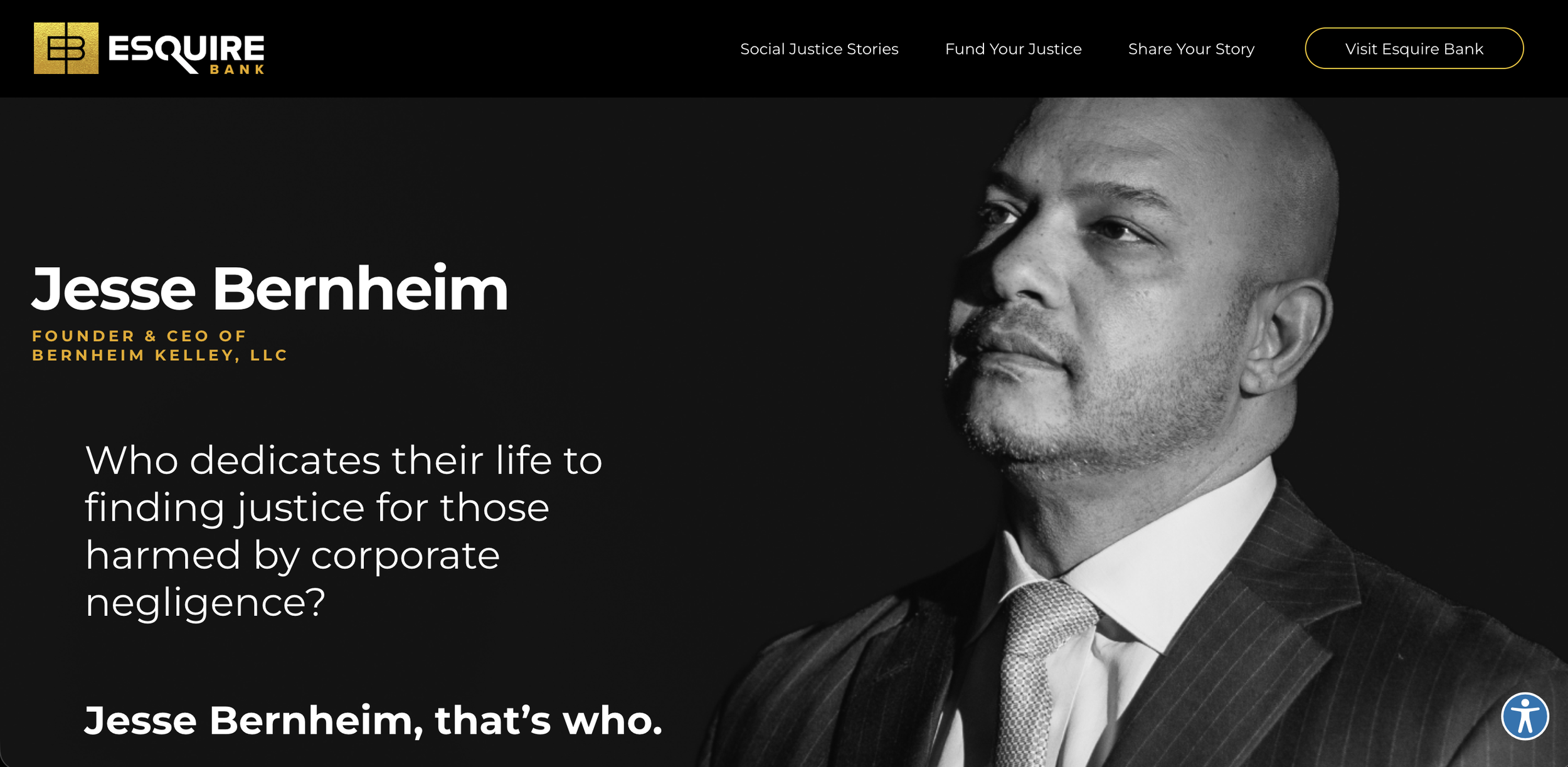
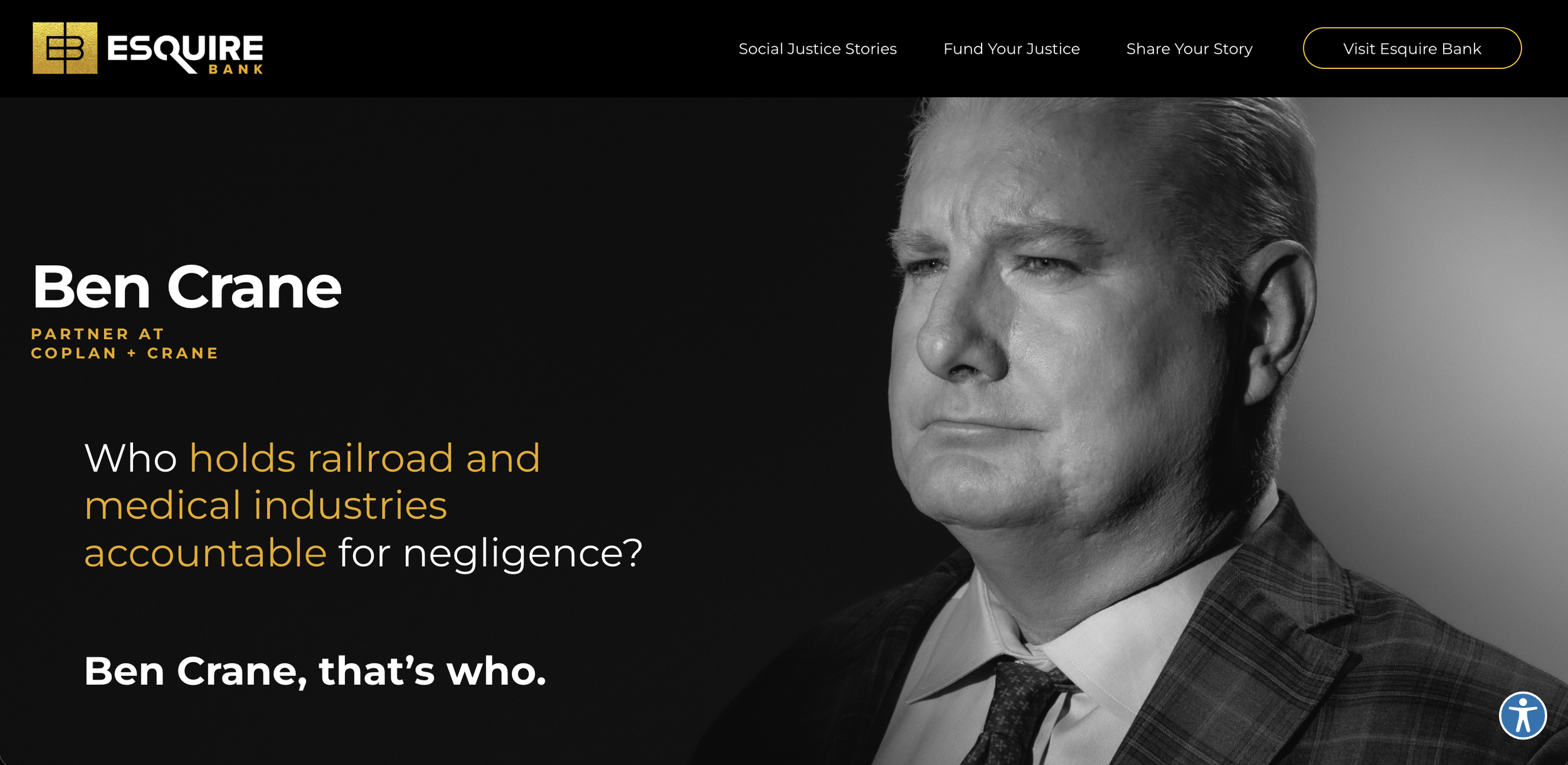
This led to the campaign’s cornerstone tagline and headline strategy: “Who stands up for people who can’t fight for themselves? Trial lawyers, that’s who.”
A natural fit
While I didn’t take part in the campaign’s inception, it wasn’t difficult to see its value and, in turn, write stories that support it. A strong, strategic idea typically speaks for itself. And if I may be so bold, I was a natural fit to amplify that voice. At their core, the stories were (and are) the definition of literary journalism, and I’ve never been happier to gloat that my MFA, Writing degree was (and is) finally getting some real mileage.
The other reason it was so exciting was the travel opportunity. Together with my small Park & Battery video team, we traveled around the country, met the trial lawyers, and interviewed them. We captured just a slice of what life was like for these successful trial attorneys in metropolitan cities like Los Angeles, Dallas, Cincinnati, Miami, Philadelphia, New York City, and tons of others.
My job on set was to interview, but my real work started after we wrapped. There were transcripts to pore over, research to be done, and copy to write then rewrite. The best part was realizing that, underneath it all, I was the conduit through which these lawyers got to tell their stories. It felt (and still feels) surreal. I’m extremely honored to say the least.
Sometimes, I reminisce about the past version of Mollie, sitting in a graduate classroom, daydreaming about her future job, whatever it entailed, wondering how it would all connect. In the moment, I had no idea, but it was easy to believe that it simply wouldn’t.
Oh boy, how wrong I was (again). I’d been so worried about falling that I never noticed I was flying.
Campaign recognition, et cetera
So far, I’ve written 25 social justice stories with several more on the way. You can find them all live on the campaign’s microsite, justice.esquirebank.com. Since its launch, the campaign has contributed to the brand’s wealth of success:
100% increase in marketing-influenced opportunities won
3MM YouTube video views and counting
51% loan portfolio growth over three years in market
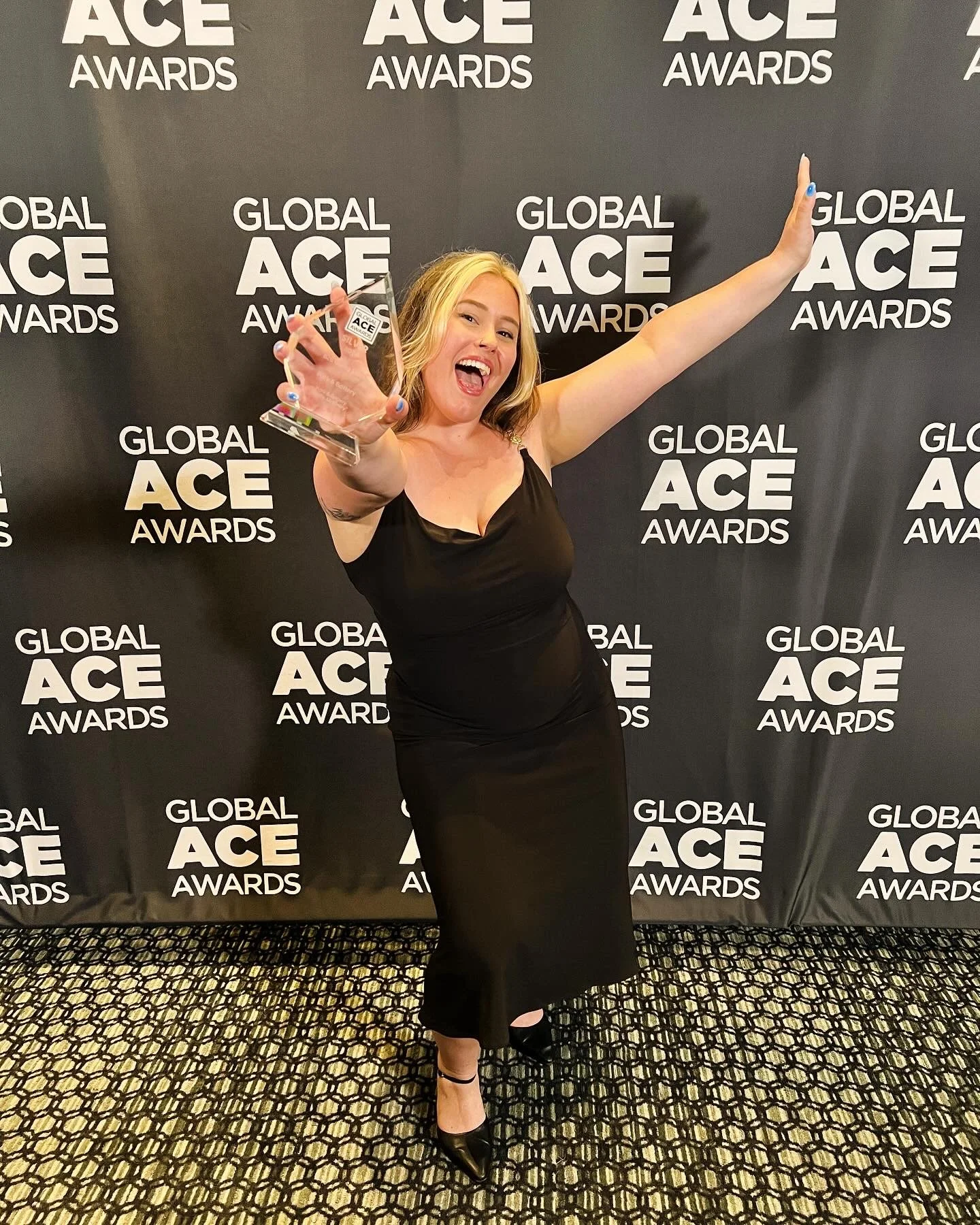
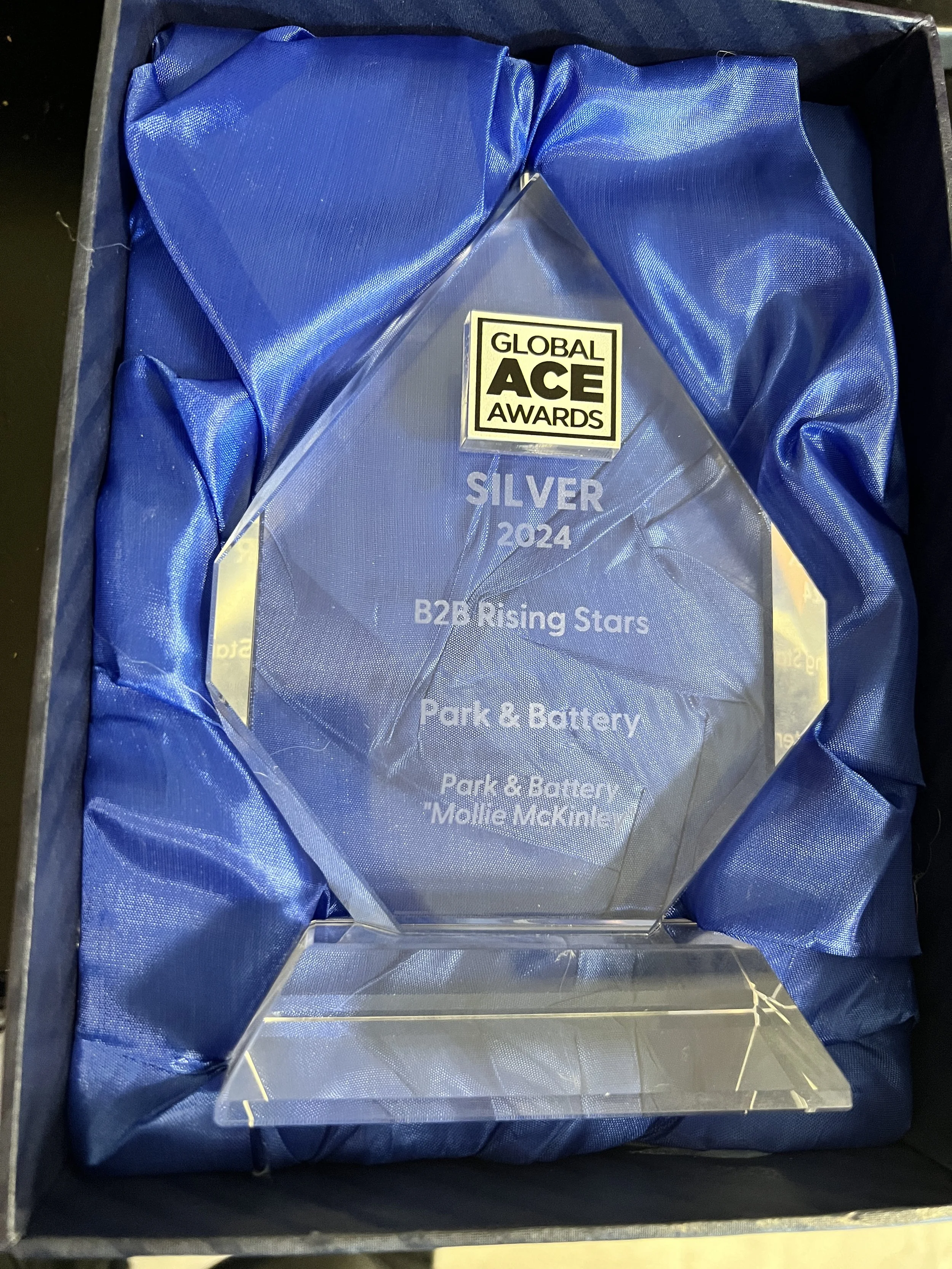
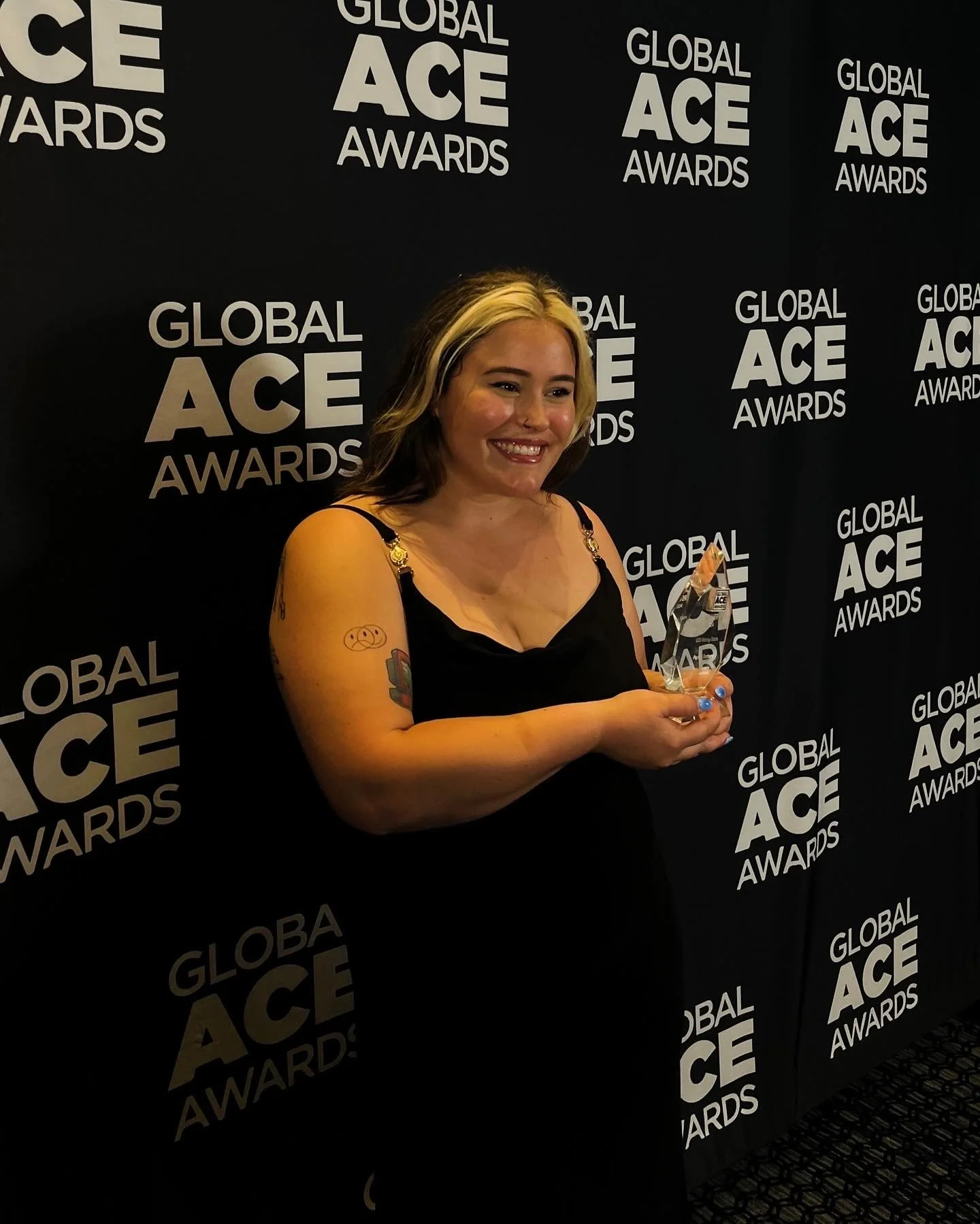
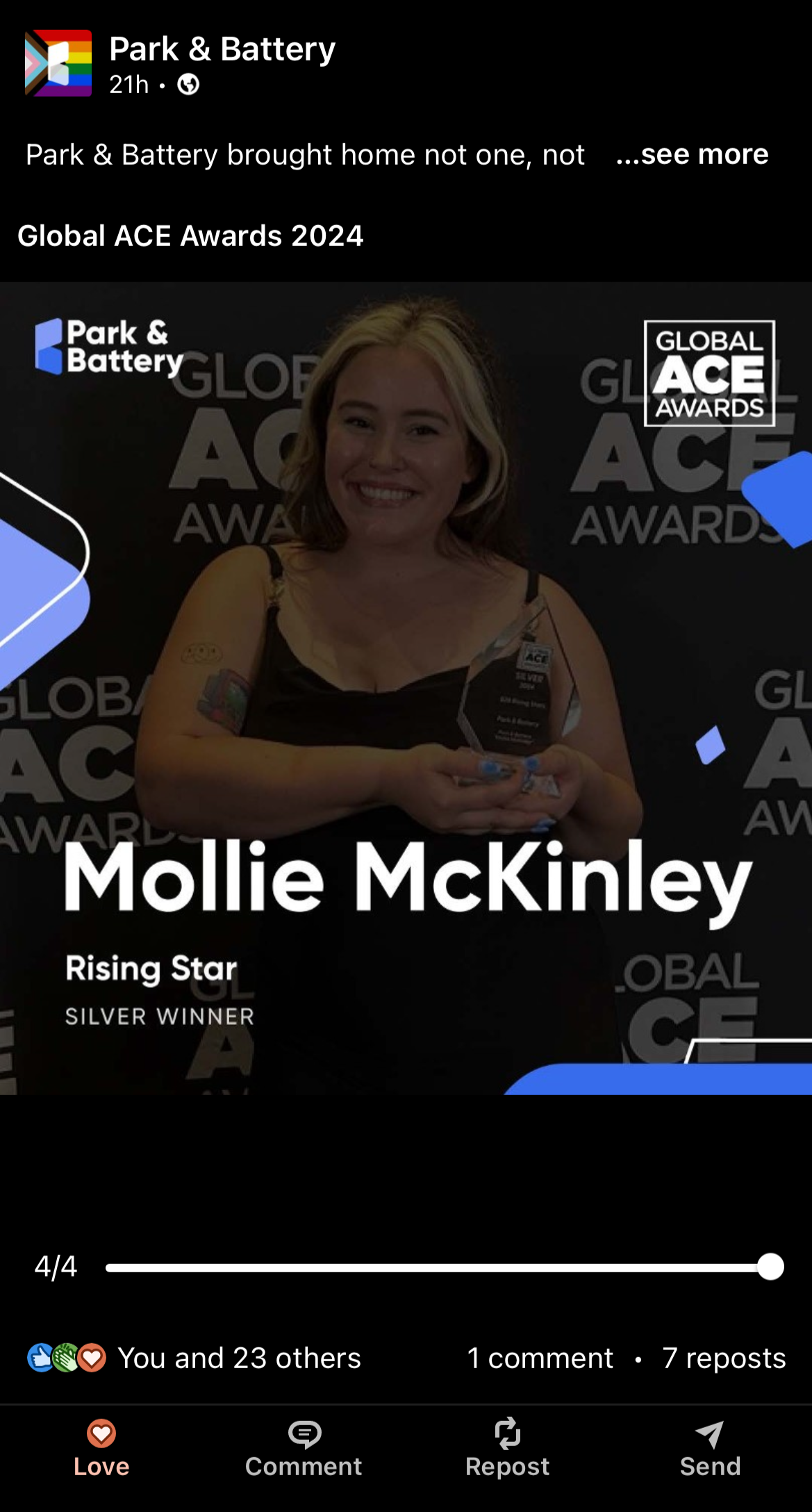
The campaign has received its flowers, too, winning Silver at the 2024 Telly Awards for best B2B campaign, and Bronze for best integrated campaign at the 2024 Elevation Awards. Individually, my work on the campaign secured me a B2B Rising Star award at the 2024 ANA Business Marketing NYC's Global ACE awards (a truly surreal moment). More recently, both Esquire Bank and the campaign were recognized at the 2026 FCS Portfolio Awards, winning the Best in Show Corporate Social Responsibility award, among others
Personally, Champions of Social Justice is the gift that keeps on giving, and I’m forever grateful for the experience and opportunity to be part of it.